
THE MISSING
CURRICULUM
EVERYTHING YOU SHOULD HAVE BEEN TAUGHT
ABOUT BEING HUMAN, BUT WEREN’T
A nine-month immersion designed to change how you relate,
communicate, choose, lead, and move through life.

We spent nearly twenty years in school learning how to solve for x, memorize dates, run laps around a gym, write a perfect argumentative essay, and raise our hands to ask thoughtful questions or permission to use the bathroom.
But let’s be honest. Is that really the education we needed to become successful adults?
We spent years memorizing information for tests we forgot by Friday, but we never learned how to apologize without defending ourselves.
We ran laps at school to move our bodies, but we never learned how to regulate or care for a body that can go from fine to fully overwhelmed before lunch.
We learned how to achieve, produce, push through, and keep moving.
Then we entered adult life and wondered why relationships felt so hard. Why rest came with guilt. Why success never felt like enough. Why one tense text could ruin an entire afternoon.
No wonder.
No one taught us how to tell fear from intuition, notice we are past our capacity before we burst into tears in the grocery store parking lot, or know what we need, say it clearly, and stay connected to ourselves through someone else’s disappointment without feeling like we failed them.
No one taught us how to have conflict without turning it into a war, a shutdown, or a three-day spiral, repair after we hurt someone, or know what we want, trust what we know, and make choices based on the lives we want to create, not the lives other people want for us.
We did learn a lot about performing success.
We learned how to get good grades, work hard, be nice, follow the rules, and make other people proud. We learned how to build lives that looked right from the outside.
But what did any of that teach you about building a life that feels right on the inside, becoming a successful, thriving adult, or being a healthy, connected human in a very unhealthy, disconnected world? What did it teach you about sustainability and capacity? About building a life filled with purpose, rest, joy, safety, support, excitement, and the kind of internal and external peace that can’t be given to you, that has to be created by you?
Not much, I bet.
How is it possible that we received so much education and yet almost none of the lessons, skills, or practice we need to thrive as adults?
Well, that’s what happens when education prepares you to conform, not to build the life that makes you feel most alive.
A life shaped by your desires, your values, your relationships, and your own definition of success. A life that feels so fully and unmistakably yours that it would fit someone else like a badly tailored suit jacket or a full-body straitjacket.
A life so aligned with what you care about, so alive, so healthy, and so true to how you want to express yourself in the world that it could only be yours.
That is a very different kind of success, and not everyone will value it.
It is the difference between thriving inside a life you designed and know how to lead, and surviving inside one shaped by your family, your community, your culture, and every message you absorbed about who you should become.
Some people really did get this education. The adults around them modeled healthy communication, boundaries, self-trust, repair, and emotional responsibility. They encouraged their children to build lives of their own, make choices based on what felt true to them, and test, try, and fail without treating failure as proof that something was wrong with them.
If you grew up in a house like that, much of this curriculum will feel like review. This program is not for you.
But if the idea of your parents teaching you these lessons feels sad-making, frustrating, or semi-laughable, we see you.
You could have had a loving, positive childhood and still not received this inheritance. Most of our parents missed the same education.
YOU ARE IN THE RIGHT PLACE.


Maybe you have tried to solve this before
Maybe you have spent years reading, going to therapy, earning certifications, or paying people to help you understand why life still does not feel the way you thought it would. You were trying to piece together the education you should have received from the start.
Maybe you have never had words for what feels hard. You only know that something is missing from your education in how to human.
You’re right.
UNTIL NOW, THIS CURRICULUM HAS BEEN MISSING FROM THE PLACES WE WERE SENT TO LEARN.
It was pushed aside in service of what our society values most: productivity over personhood, conformity over connection, and performance over authenticity.

The Missing Curriculum is where you go back and fix that mistake in your own life. It’s where you learn the skills adult life expected you to have but no teacher ever provided.
It is where you practice building a life that is truly your own, and develop the skills to discern, dream, create, connect, and lead with confidence, care, and courage.

First, you finally learn why
YOU FINALLY LEARN WHY SO MUCH OF BEING HUMAN HAS FELT HARDER THAN IT SHOULD.
The classroom gives you the lessons you should have received years ago. It gives you language for things you have felt for years but never knew how to name.
You learn why your body reacts before your mind catches up. Why disappointment can feel like danger. Why you say yes when you mean no. Why one person going quiet can send you into a spiral. Why the patterns you hate often began as smart ways to protect yourself.
Some lessons create a quiet click. Others create a full-body “Oh shit. That explains so much.”
A single lesson can change how you see years of your life. A conflict you have replayed a hundred times starts to make sense. A story you have told about yourself suddenly looks different. You leave class and catch the pattern at dinner, at work, or halfway through the next hard conversation.
You have language for what is happening. You have more choice in what happens next.
The learning matters. But information alone does not build skill.
You can read every book on boundaries and still freeze when your mother asks for one more favor. You can spend years learning about attachment and still lose an afternoon to a text that never came. You can know what a good apology sounds like and still hear yourself say, “I’m sorry, but…” the moment shame hits.
That does not mean the books were useless. It does not mean therapy failed.
It means these are skills, and skills take practice.
You learn a concept, then practice it with people who are learning too. You take it into your actual life, where your partner gets quiet, your mother gets disappointed, your employee gets defensive, or your own nervous system decides a small conversation is now a five-alarm fire.
Then you come back.
You bring the awkward boundary, the apology that went sideways, the moment you stayed present, the moment you did not, and the question you still cannot answer alone.
We look at it together. We help you understand what happened. Then you practice again.
Over nine months, the curriculum stops being something you understand and starts becoming something you can live.
Change has to reach more than just your mind
The patterns you want to change do not live in one place.
They live in the stories you tell about yourself. They live in the split second your body reads disappointment as danger. They live in the part of you that says yes before checking your capacity, then feels resentful three hours later.
They live in the old rules that say conflict means rejection, rest must be earned, or love requires you to disappear.
A single lesson can help you see a pattern. Lasting change asks you to work with every place that pattern shows up.
No single lens can explain a whole human. We are complex systems, and real change must reach the whole system.
That is why The Missing Curriculum draws from many fields of study and practice:
Attachment theory helps you understand what happens around closeness, distance, trust, and fear of loss. Nervous system education and somatic practices help you notice what your body does under stress, often before your thinking mind catches up.
Internal Family Systems, or IFS, helps you understand the different parts of you that can want opposite things at the same time. You learn to work with those parts without treating any of them as the enemy.
Narrative therapy helps you question the stories you inherited about success, worth, family, work, love, and who you are allowed to become. Communication and conflict practice give you ways to tell the truth, listen, set limits, stay in the room, and repair.
Energetic awareness and embodiment help you notice information that words alone cannot reach.
Trauma-informed education shapes how we teach the work. It guides the pace, the care, and the way we respond to what comes up. Ethics keeps self-trust tied to responsibility, care, and the effect you have on other people.
These fields do not stay in separate boxes. We apply them in layers to the moment you are living.
Your partner tells you they were hurt by something you did.
Your body tightens. One part of you wants to explain. Another wants to disappear. An old story says you are about to lose the relationship. Your values ask you to stay honest. Your communication skills help you listen, respond, and repair.
That one moment includes your body, your history, your protective parts, your beliefs, your relationships, your values, and your choices.
We teach you how to work with the whole moment.
And you do not practice alone.
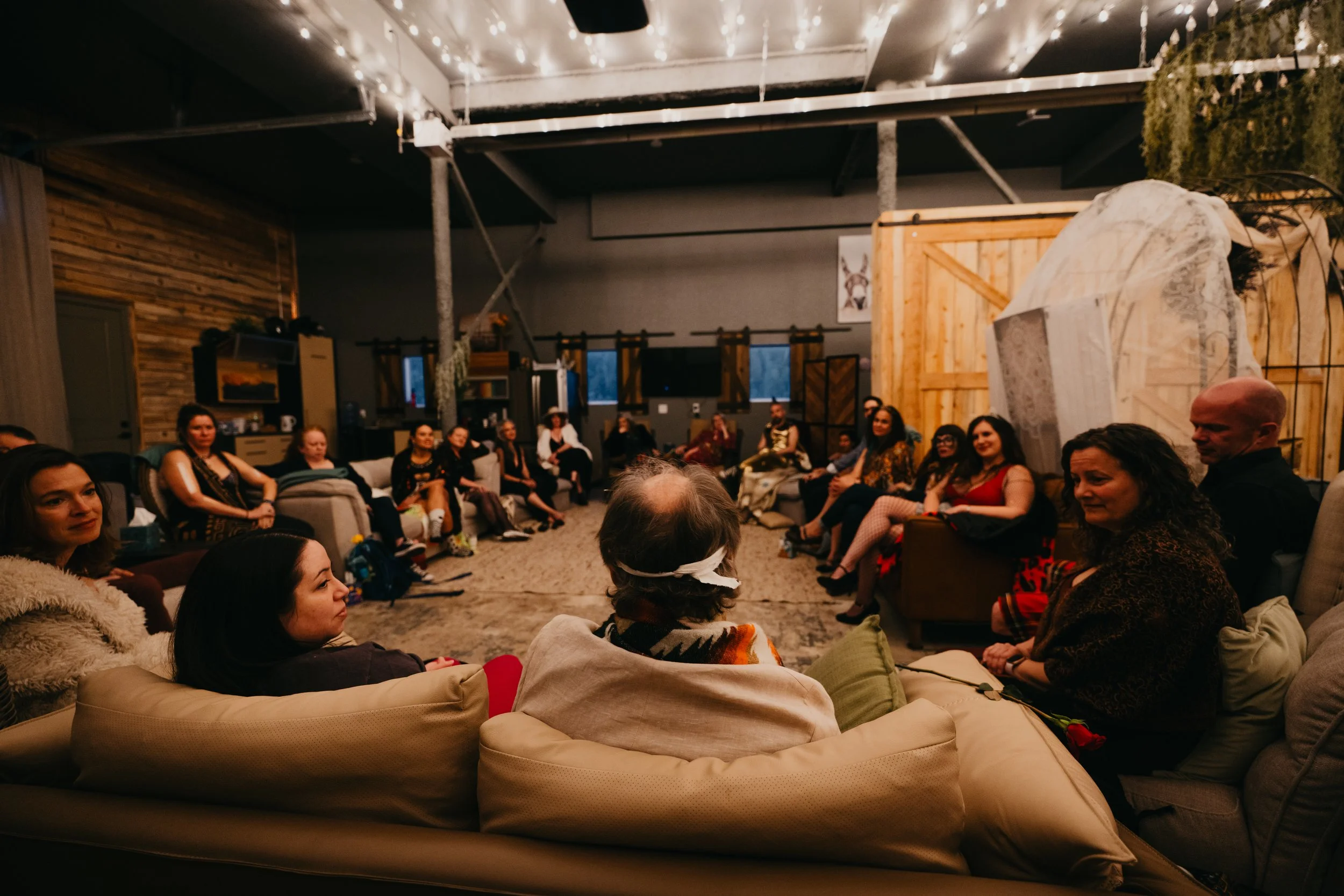
You learn beside people who are taking the same risks, naming their own patterns, and trying these skills in their real lives. They bring their awkward boundaries, hard conversations, missed signals, brave choices, and imperfect repairs into the room too.
Your teachers do not stand outside the curriculum.
They lead the work, but they remain accountable to it. We believe this work never ends, and mentors should never sit on pedestals.
The people teaching you model the work beside you. They practice, receive feedback, repair, and go first. They will never ask you to do work they refuse to do themselves. They will do it in front of you, even when it is wildly personal and vulnerable.
This is a fully staffed program.
YOU LEARN WITH LAYERS OF TEACHERS AND MENTORS, INCLUDING PEOPLE WHO HAVE SPENT TWO, THREE, FOUR OR FIVE YEARS INSIDE THIS COMMUNITY.
They return year after year. The work keeps changing how they live. They have not found another place that offers this depth of practice, support, feedback, and connection.
That means the room is full of people who know how to practice, support, challenge, and repair together.
You cannot learn communication alone. You cannot practice trust alone. You cannot learn conflict, boundaries, intimacy, or repair without other people.
Community is not an extra benefit attached to the curriculum. It is one of the places the curriculum becomes real.
Nine months gives you time to meet the same skills in many forms.
A boundary with your parent feels different from a boundary with a client. Self-trust feels different during a career choice than it does during an argument. Capacity looks different at work, at home, on retreat, and on a hard Tuesday afternoon.
One awkward boundary is not the end of the lesson. One conversation that goes sideways does not become proof that you cannot do this.
You come back. You look at what happened. You receive support and honest feedback. You repair what needs repair. Then you try again with more skill and less shame.
Like building strength, the changes can feel small in the moment.
One pause. One honest sentence. One repair you once would have avoided.
Then the repetitions add up.
By the end of nine months, you no longer move through your life the same way.
You pause before saying yes. You catch the story before it becomes a fact. You stay in a conversation that once would have sent you running. You notice sooner. You recover faster. You repair with more care.
The skills become available in the moment you need them.
You do not become a person who never gets activated, misses something, or causes harm.
You become someone who knows how to notice, choose, take responsibility, repair, and return. Someone you trust to lead your own life. Someone the people around you trust enough to tell the truth to.

What changes in real life?
The change does not show up as a perfect morning routine or a new personality. It shows up in the moments that used to take you out.
You stop rewriting the same text twelve times, trying to find the one version that no one could misunderstand. You tell the truth with care, hit send, and trust yourself to handle the response.
You stop saying, “It’s fine,” then spending three days proving to yourself that it was not fine. You say, “Actually, can we talk about something?” before resentment gets a chance to settle in.
You notice that you are about to say yes out of fear, habit, or guilt. You pause. You check your capacity. Then you give an answer you can stand behind.
You receive a piece of feedback without turning it into a final ruling on your worth, your career, or your ability to be a person.
You go to the family gathering and leave knowing you were yourself. Maybe no one changed. Maybe your mother still made the comment. Maybe your brother still told the same story from 2008. But you did not disappear, perform, or spend the drive home building a case against yourself or them.
You let the email wait until tomorrow. You stop treating every request like an emergency. You rest without spending the entire afternoon mentally reviewing everything you should be doing instead.
You make a choice without polling six friends, two mentors, your partner, and a stranger in a Facebook group. You listen to the people you trust. Then you listen to yourself.
You stop measuring your goodness by how comfortable everyone feels around you.
YOU START LEARNING WHAT CARE LOOKS LIKE WHEN IT INCLUDES YOU TOO.

You let the email wait until tomorrow. You stop treating every request like an emergency. You rest without spending the entire afternoon mentally reviewing everything you should be doing instead.
You make a choice without polling six friends, two mentors, your partner, and a stranger in a Facebook group. You listen to the people you trust. Then you listen to yourself.
You stop measuring your goodness by how comfortable everyone feels around you.
You start learning what care looks like when it includes you too.
Your life does not become free from conflict, grief, fear, disappointment, or people who refuse to read the very thoughtful message you spent an hour writing.
You become far more able to meet all of it.
You know how to stay with yourself. You know how to tell the truth. You know how to take responsibility without turning accountability into self-punishment.
You know how to repair. You know how to ask for help. You know how to let someone love you without making them prove it every twelve minutes.
You begin making choices that reflect the life you want, not the life you were trained to accept.
And little by little, your life starts to feel like yours.
What does it feel like to be a student here?


Some days, class gives you language for something you have felt for twenty years but never knew how to name. You close your laptop thinking, “Oh shit. That explains my entire family.”
Other days, you bring in the conversation you have been avoiding. You practice the first sentence. It comes out stiff and vaguely corporate. You try again. You keep working until the words sound like you, not a therapy script or a caption from Instagram. Then you go have the conversation.
You return to a room where you do not have to pretend it went perfectly. You can tell the truth about the part you handled well, the moment you panicked, the boundary that came out sideways, or the apology that somehow became a twelve-minute explanation of your intentions.
No one hands you a failing grade, and everyone understands. They share the same language, and they viscerally get how hard this shit is. They help you get curious about what happened. You see what you could not see alone. You get another chance.
Someone tells a story that sounds so much like your own that you laugh before you realize you want to cry. The thing you thought made you uniquely difficult turns out to be painfully, hilariously human and shared by several others in the room.
OVER TIME, THE ROOM BECOMES A PLACE WHERE YOU CAN STOP PERFORMING HOW WELL YOU ARE DOING
You get to be known on the days you feel clear and powerful. You get to be known on the days you cannot find the words. You get to be funny, angry, scared, thoughtful, messy, brilliant, wrong, brave, and still part of the room.
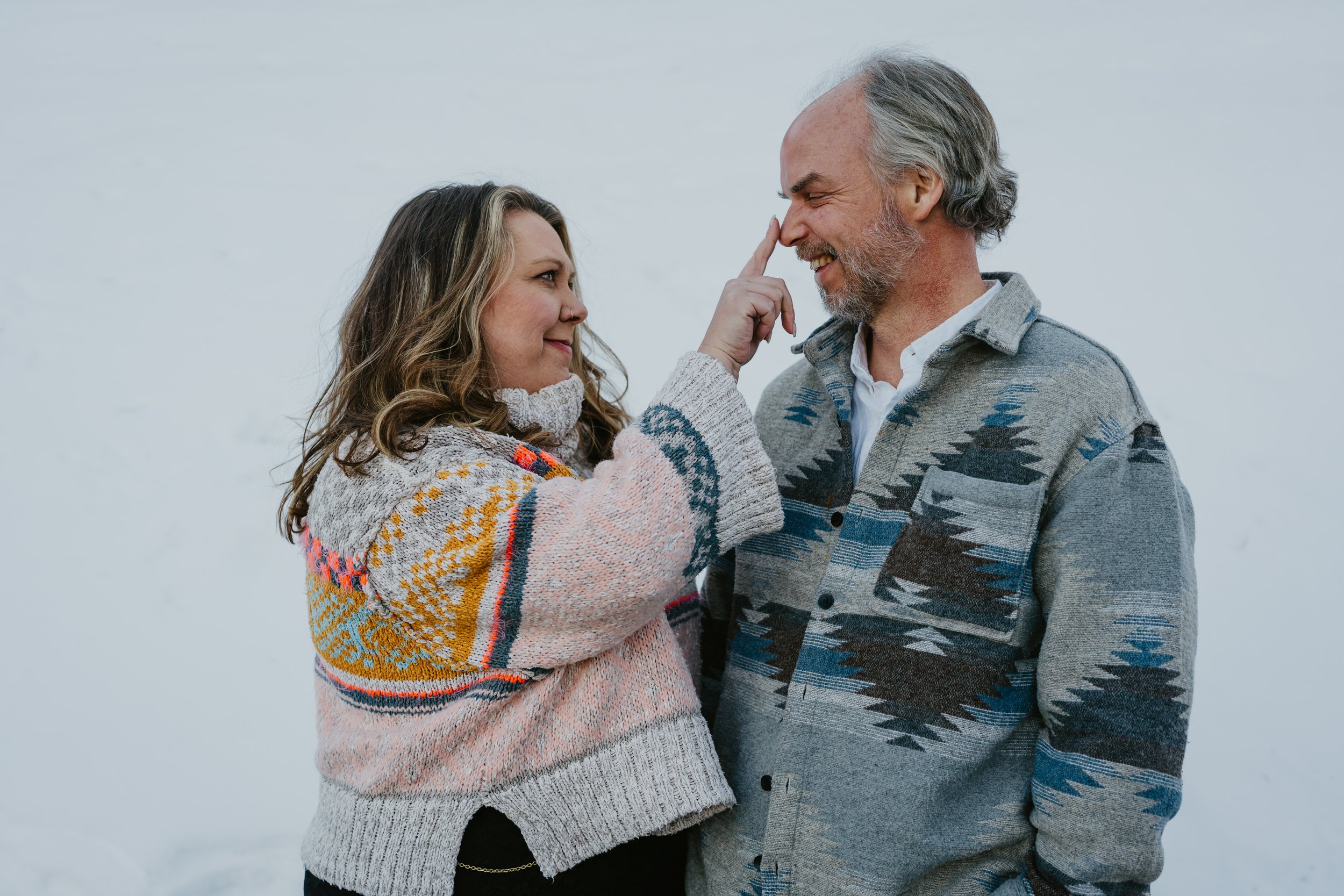
The people around you begin to know your tells
They notice the joke you make right before you say something true. They know when you are shrinking. They can hear the difference between a genuine yes and the yes you give from fear.
They see changes that are hard to notice from inside your own life.
At the retreats, the people who began as names inside Zoom boxes become whole humans.
You learn together, share meals, have hard conversations, laugh until your face hurts, and experience the thousand small moments that happen when people stop talking about relationships and begin living inside them.
Some of these people become close friends. Some begin to feel like family. Some become the people you text after the hard conversation, not to ask whether you did it perfectly, but to say, “I did it.”
Nine months gives you enough time to be more than one version of yourself in the room.
You are not reduced to your hardest day, your oldest pattern, or the story you told during your first month.
You get to change in front of people.
You get to watch them change too.
You leave with people who know you, skills you can reach for, and a life that feels far more like your own.

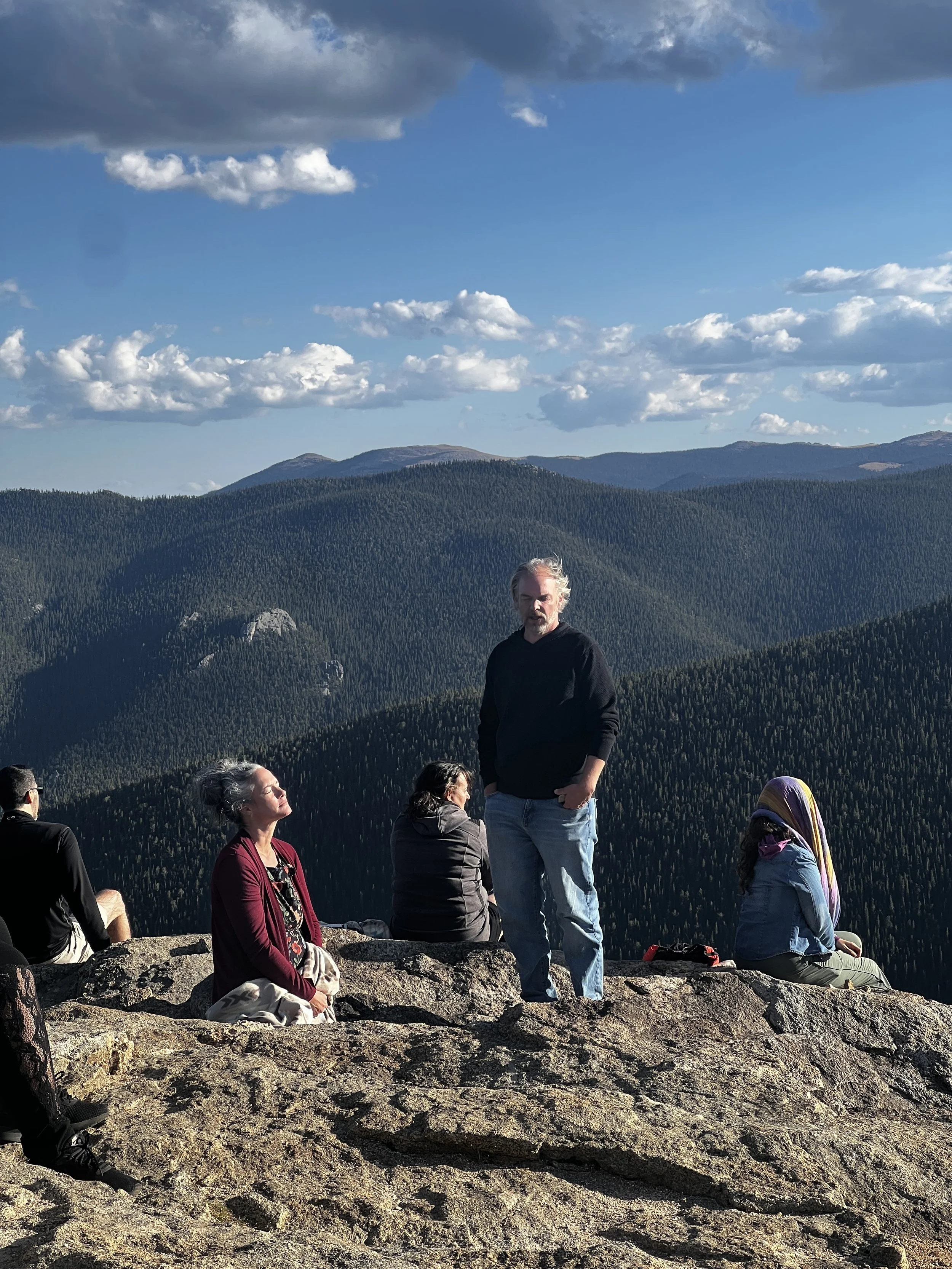
What 9 Months Together Actually Looks Like
THE MISSING CURRICULUM IS NOT A LIBRARY OF VIDEOS YOU PROMISE YOURSELF YOU WILL WATCH SOMEDAY
For nine months, you join a live cohort and move through a structured curriculum with us.
We meet twice a week, three weeks each month. Every session is live, interactive, and built around participation.
Some calls feel like a classroom. You learn how your body, beliefs, protective parts, and relationship patterns work. You gain language for experiences that once felt confusing, personal, or impossible to change.
Other calls focus on practice and coaching.
You speak a boundary out loud and notice what happens in your body. You work through a conflict from several points of view. You practice hearing feedback without abandoning yourself or making the other person wrong.
You bring in a choice, relationship, reaction, or pattern that you cannot see clearly on your own. We help you understand what is happening and find a new way to meet it.
Then you take the work into your life.
There is no homework in the old school sense.
Your life is the practice.
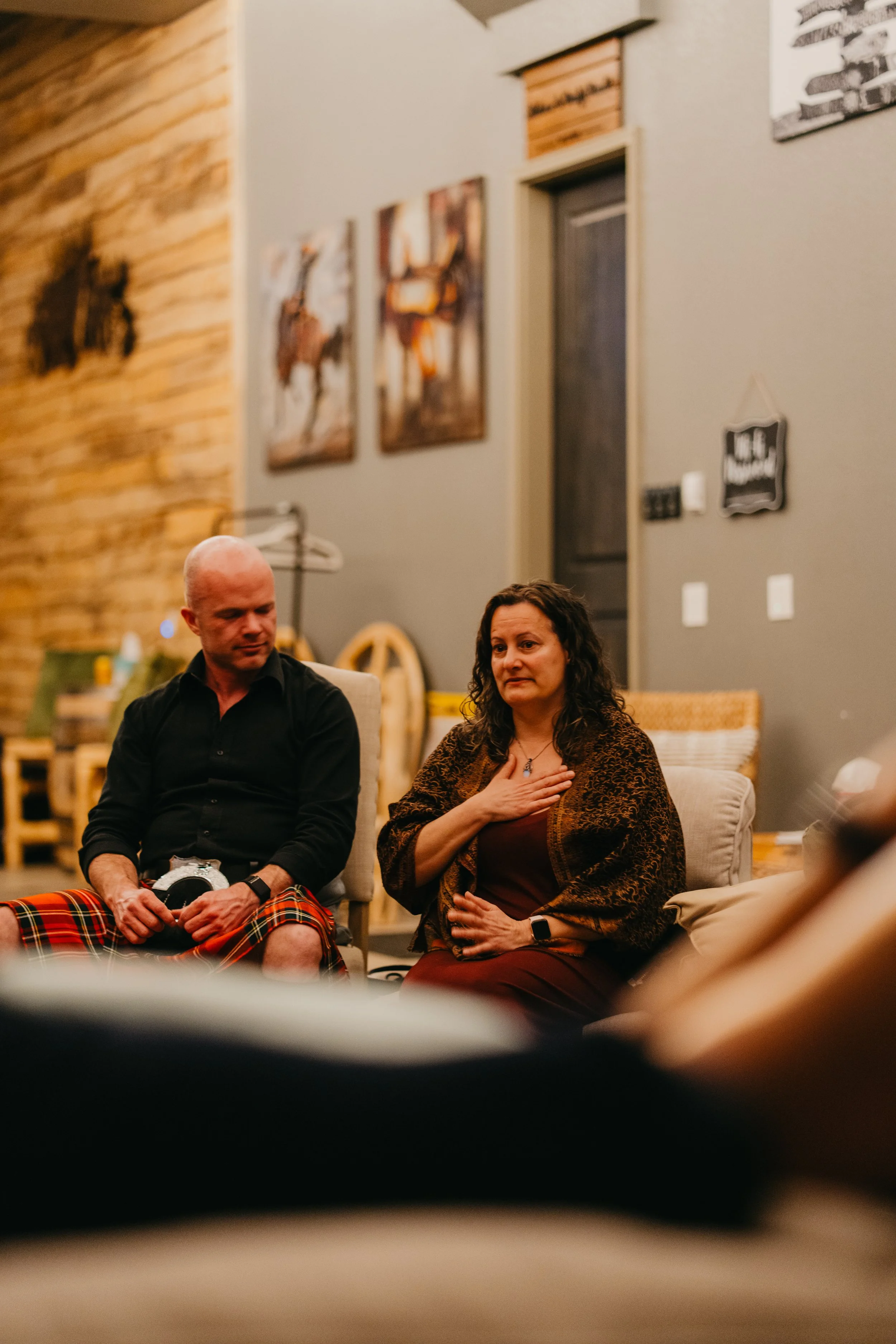
What you will practice
THE CURRICULUM COVERS MANY TOPICS, BUT THE GOAL IS NOT TO FILL YOUR HEAD WITH MORE INFORMATION
You are building skills you can use across every part of your life.
Your relationship with yourself. You learn to notice what you feel, need, want, fear, and value. You build self-trust without treating every feeling as fact. You learn to tell the difference between intuition, fear, habit, guilt, and an old protective response.
The way you lead your life. You question inherited rules about success, work, family, love, rest, worth, and responsibility. You make clearer choices about what belongs in your life, what no longer fits, and what you want to build next.
Your relationships with other people. You practice honest communication, boundaries, listening, attachment, intimacy, conflict, and repair. You learn how to care for another person without disappearing. You learn how to stay rooted in yourself without building a wall.
Your capacity to handle hard things. You learn to recognize stress sooner and work with your nervous system. You practice receiving feedback, tolerating disappointment, taking responsibility, and staying present through discomfort.
This is not only a leadership course meant to make you better at work.
It is not only a relationship course meant to improve your romantic or family life.
It is not only a parenting course meant to help you pass something healthier to your children.
It will touch all of those areas, since the same human shows up in every room.
You are not one role, one relationship, or one responsibility.
We teach the whole human.


Because In Person Deepens Everything
TWO IMMERSIVE RETREATS ANCHOR THE NINE MONTHS
These are not conferences. You will not sit in a hotel ballroom taking notes for eight hours and leave with a branded tote bag full of intentions.
They are also not vacations with a light workshop tucked between lunch and the pool.
These retreats are an integral part of the curriculum, and allow us to go so much deeper than online - only programs allow.
Some lessons need people in the same physical room.
At the retreats, you practice presence through shared space, real relationships, honest conversations, group experiences, and the small moments no lesson plan can create.
The retreats include teaching, guided exercises, direct coaching, feedback, and skills taught only in person.
You get to see what happens inside you in real time, with skilled support close by.
You arrive with months of shared language and growing relationships already in place. Each retreat deepens both.
The work becomes harder to keep at a safe intellectual distance.
It becomes lived.
Plus… They are fun!
Opening Retreat:
Asheville, NC
April 17-20, 2027
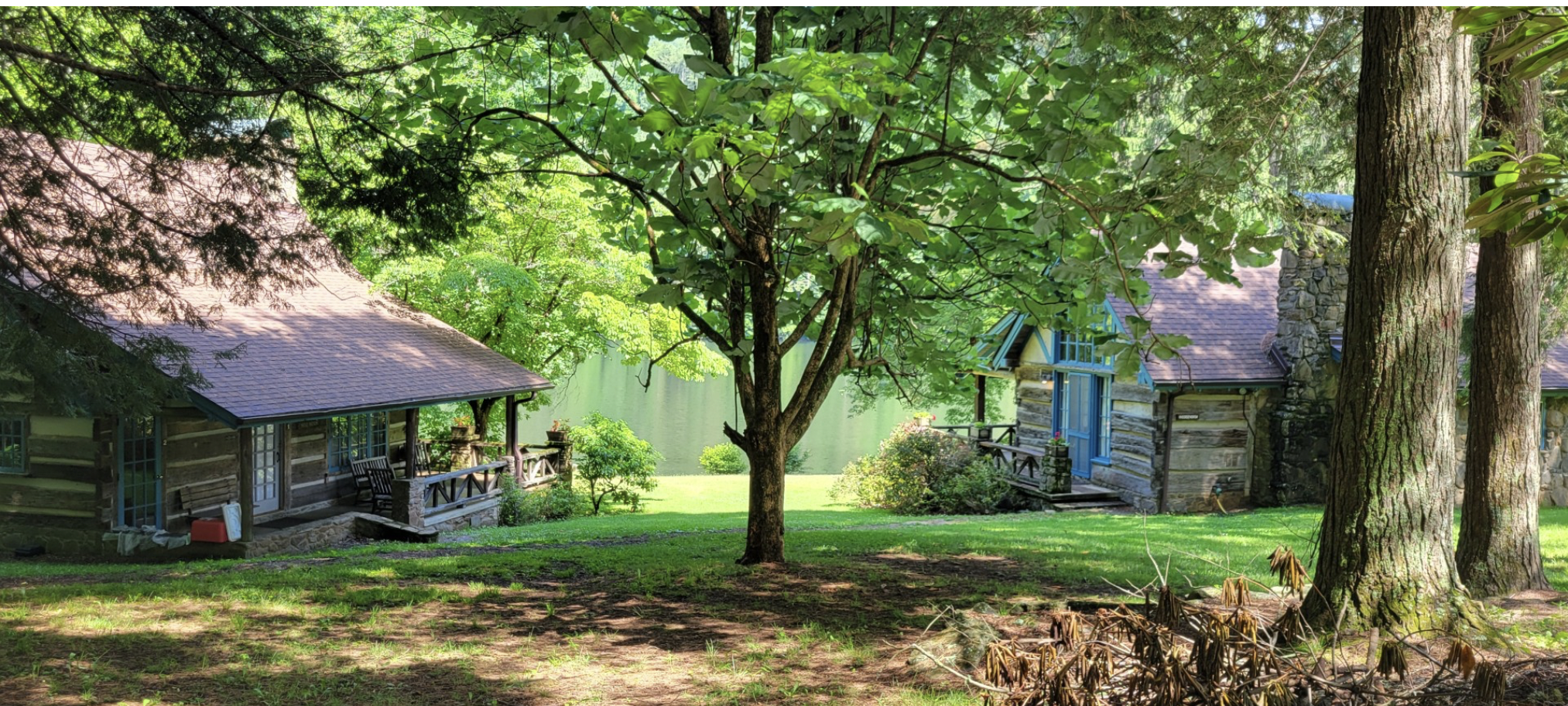
Our opening retreat this year is in stunning Asheville, NC.
Food and accommodation charge starts at $695, dependent on shared or solo housing.
Closing Retreat:
Location, TBD
October 2027
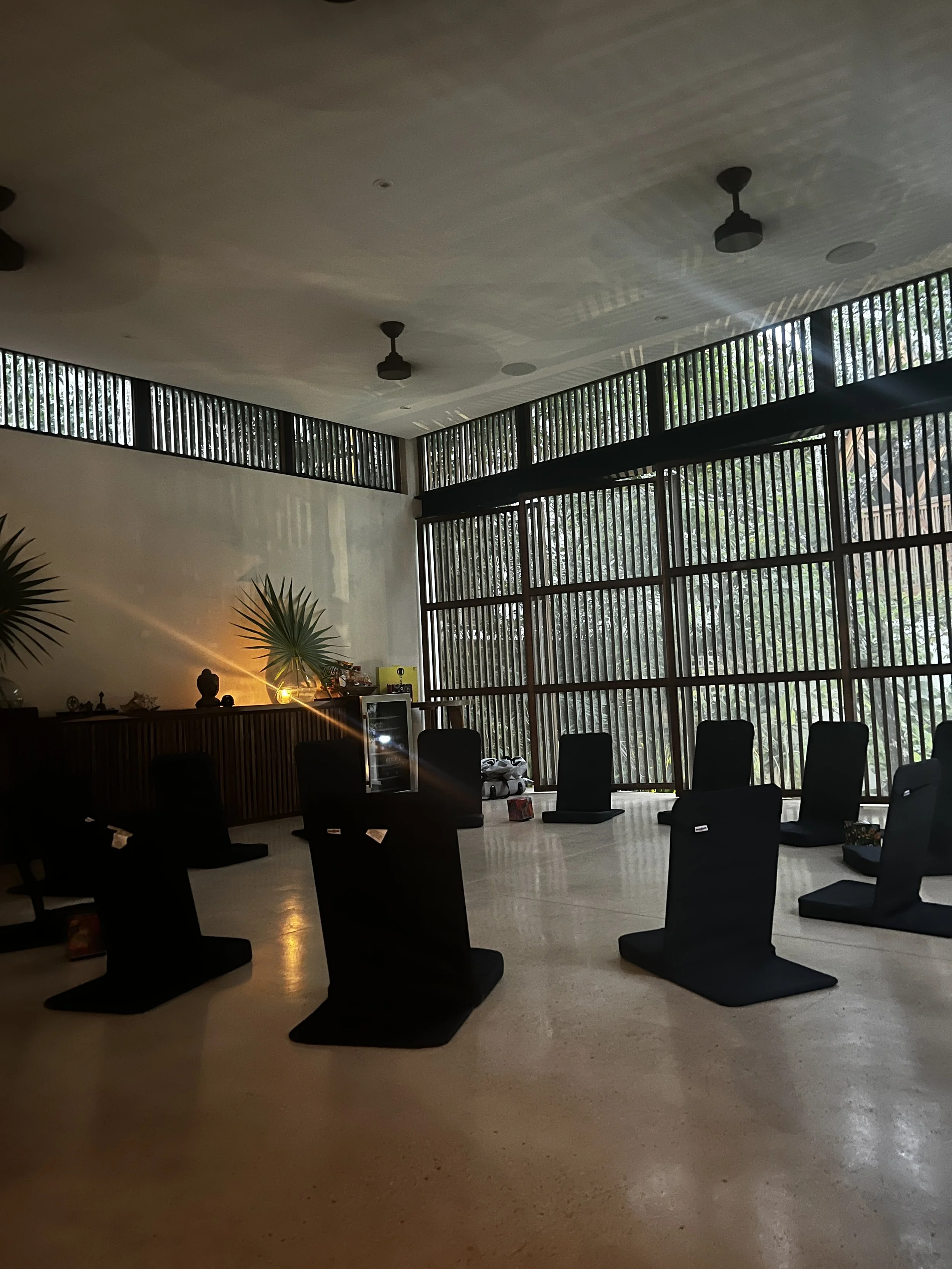
Information on location and specific dates coming soon for our second retreat. Previous locations have included Mexico, Costa Rica, and Colorado.

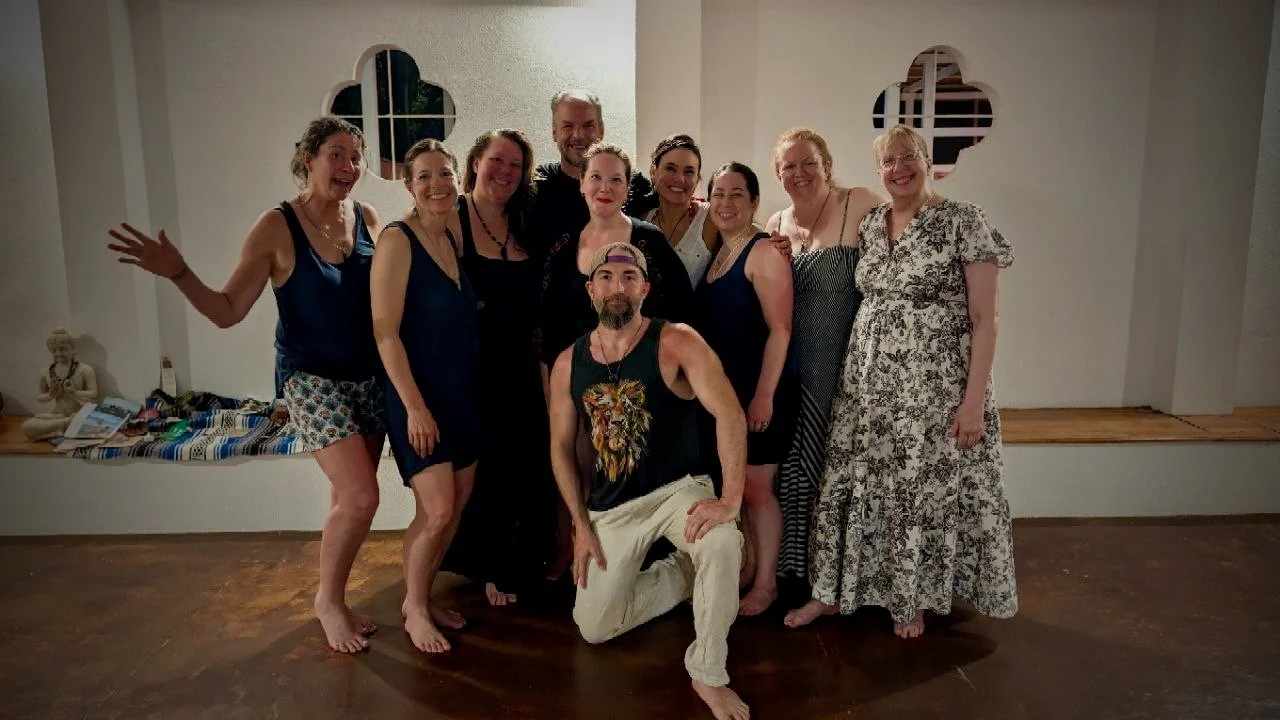

This is a real commitment
At the School of Humaning, we believe in the lifelong dedication to learning, growth, development, and the ongoing practice of how to human better. We believe this work is for everyone, that relationships matter deeply, and that no matter what has happened in your past, when we engage in this work, your past does not define what is available to you in the future.
We practice a facilitator as member model, which means that the leadership team is constantly doing the work beside you, modeling what it means to go first and lead from the front of the room, never asking you to do something that they would not do themselves and do in front of you.
We also practice a non-hierarchical leadership style. We believe strongly that leadership is best when it’s in collaboration with others, and reject the outdated notion that leadership, mentorship, and therapeutic work is safest or most effective from a power-over dynamic, denying the humanity of the one “in charge” or “in the seat” in order to heal, teach, or lead the ones in their charge.
As a team, we study together. We challenge each other. We receive feedback, change our minds, repair when something goes wrong, and practice the same skills we teach every single day.
No pedestals. No pretending that expertise makes anyone less human.
Just highly skilled, deeply caring humans committed to teaching with integrity, care, honesty, and a deep respect for your ability to think for yourself.
What Students Say
“Even though I don't really work in leadership, coach, or facilitate, I have found I apply the tools I’ve learned in [The Missing Curriulum] everywhere, in all areas of life. It has greatly improved my relationship with myself and others. Thank you for this beautiful container!”
— Lexy, 2022 - 2024 participant
“I had been struggling in overwhelm and stuckness for 2 to 3 years, particularly as it related to my coaching business… I now spend FAR less time there. I came to see that at the heart of my business struggles were unresolved emotional wounds and self-protective strategies that were getting in the way of me showing up for my business in the ways that I want to. [The Missing Curriculum] helped me dig into those emotional blocks and to start to unravel them.”
— Gretchen Shanks, 2024 - 2026 participant
“The most surprising thing for me [about The Missing Curriculum] was how fresh the concepts were for me. I've been in therapy all my life, am a counselor by trade, and have been involved in alternative and spiritual work for most of my life. This content really opened up a lot of possibility for concrete ways I can approach myself, my relationships, and my life differently.”
— Rebecca Rodger, 2025/2026 participant
How we do this work
THE MISSING CURRICULUM IS NOT BUILT AROUND THE IDEA THAT YOU ARE BROKEN, BEHIND, OR IN NEED OF SOMEONE WISER TO TELL YOU HOW TO LIVE
You are here to learn skills, see yourself more clearly, and make choices with more freedom. You are not here to trade one set of inherited rules for ours.
We will teach you what we know. We will share the patterns we have seen, the tools we trust, and the questions that have changed our own lives. Then we will ask you to test them. Try them. Notice what happens. Keep what proves true in your life. Question what does not.
We care more about your discernment than your agreement.
There are no gold stars for sounding evolved. There is no prize for staying calm in every hard moment, agreeing with your teacher, or knowing the right words for your old patterns.
The work is not to perform health.
The work is to become more honest, responsible, free, and trustworthy.
That means compassion does not cancel accountability. Your history can explain a reaction without excusing its impact. Your needs matter. The needs and humanity of the people around you matter too.
Self-trust does not mean every feeling becomes a command. Boundaries do not mean no one gets to challenge you. Authenticity does not mean saying every thought out loud and calling the fallout someone else’s problem.
We care about the life you create. We care just as much about what it feels like to be in relationship with you.
You will feel uncomfortable here at times. Telling the truth can be uncomfortable. Receiving honest feedback can be uncomfortable. Letting someone feel disappointed can be uncomfortable. Seeing your own impact can hurt.
Discomfort is not the same as harm.
We make room for challenge, and we take power, care, and impact seriously. We will not use discomfort as an excuse for shame, coercion, humiliation, or carelessness.
We do not expect perfection from students. We do not perform it as teachers.
People miss things. People get defensive. People cause harm they did not intend. People need to return to conversations they wish they had handled differently.
Repair matters more than pretending none of that will happen.
You are allowed to disagree here. You are allowed to ask hard questions. You are allowed to decide that a tool, teaching, or idea does not fit your life.
You are still responsible for looking honestly at what stands between you and the life you say you want.
We have no interest in becoming the new voice in your head and replacing your own. We do not want students who need us forever.
We want you to leave with more skill, more choice, and a deeper trust in your ability to meet your own life.
If you want exact rules, easy answers, or a program that blames every hard thing on someone else, this is not that program.
If you want a place that respects your agency, challenges you with care, and helps you become someone you trust and someone other people can trust too, you are in the right place.
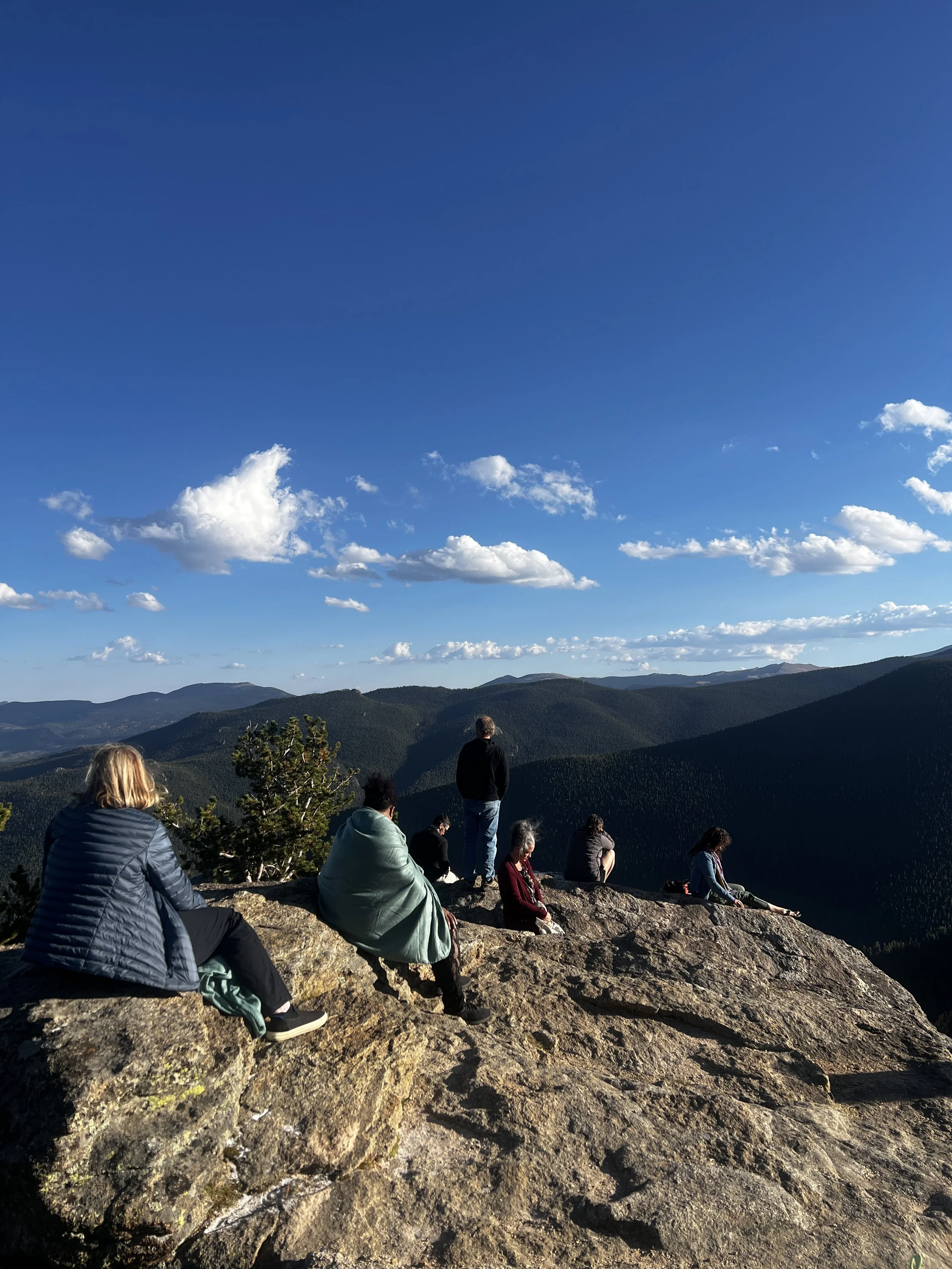
School of Humaning is run by a four-person core team.
THIS YEAR, FOUR INTERNS AND FIVE GRADUATE STUDENTS ARE TRAINING INSIDE THE SCHOOL. THE PROGRAM INCLUDES LAYERS OF TEACHERS AND MENTORS, INCLUDING PEOPLE WHO HAVE SPENT TWO, THREE, FOUR AND FIVE YEARS INSIDE THIS WORK.
You are not depending on one person, one voice, or one interpretation of your experience.
A whole team is paying attention.
We study together. We question each other. We talk openly about power, impact, care, and responsibility. We bring different training, skills, histories, and ways of seeing into the room.
That depth matters in a program this personal.
You deserve teachers who know when to lead, when to listen, when to challenge, and when to slow down.
You deserve mentors who will not ask you to become like them.
They will help you become more honest about what you want, more responsible for your impact, and more able to create relationships where people can tell you the truth.
We are not perfect teachers.
We are teachers committed to integrity and embodiment. We work to make our actions match what we teach, especially on the days something goes wrong.
That is the kind of leadership we believe in.
Leadership that goes first.
Leadership that earns your trust and helps you trust yourself more.
The mentors you’ve been craving
MANY OF US HAVE SPENT OURLIVES LOOKING FOR A KIND OF LEADERSHIP WE CAN TRUST
Someone who knows more and does not need to make you feel small.
Someone who can challenge you without shaming you.
Someone who can say, “I got that wrong,” and show you what comes next.
Someone who tells you the truth, stays present, and cares more about your growth than your approval.
That is the kind of leadership we work to offer here.
Your teachers bring years of study, training, facilitation, and lived practice. They know how to teach this work, hold a room, notice what others miss, and support people through moments that feel personal, tender, or hard.
They are still students of the work too.
They receive feedback. They repair. They change their minds. They let you see what responsible leadership looks like in real time.
They go first.
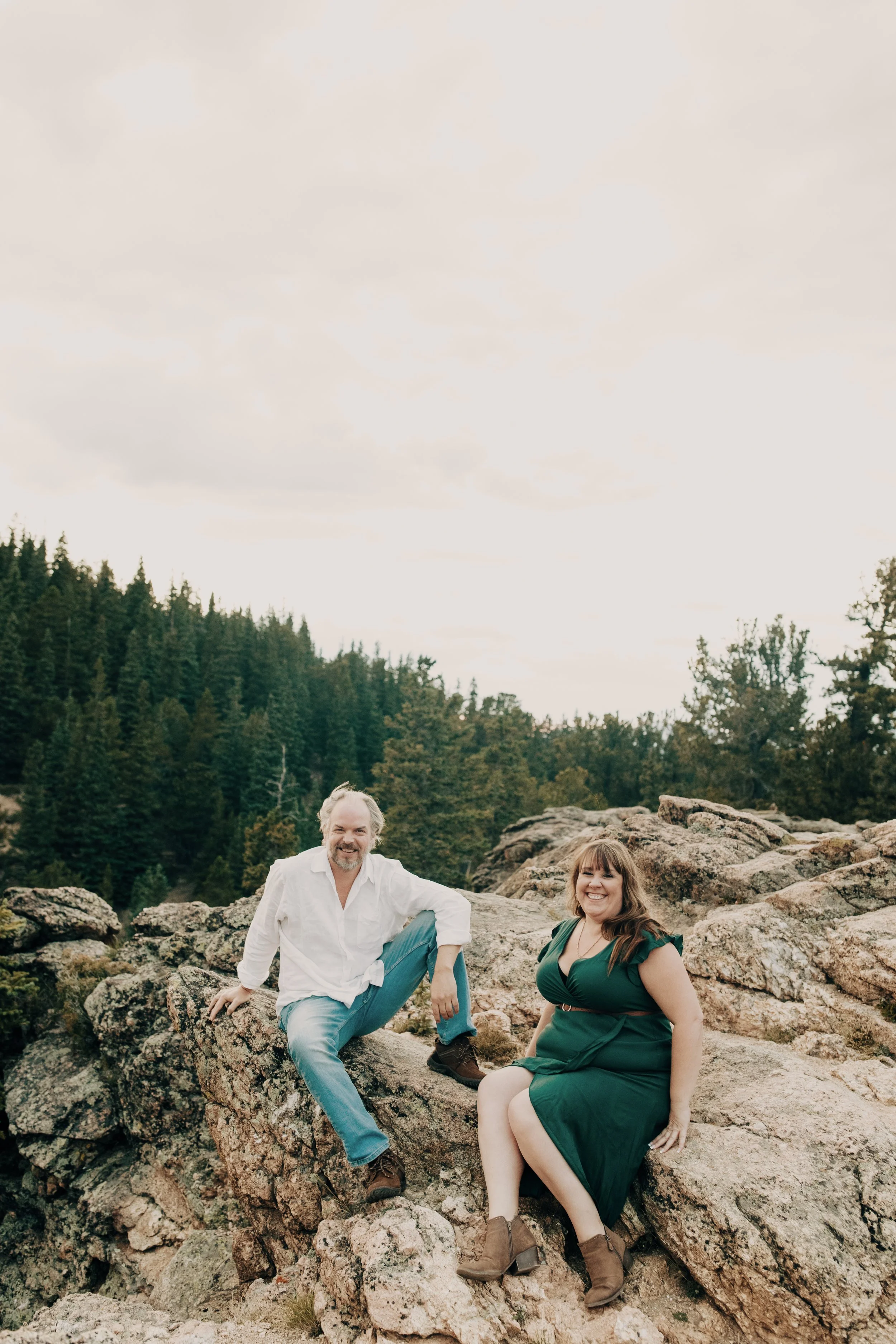
Meet The School of Humaning Core Team
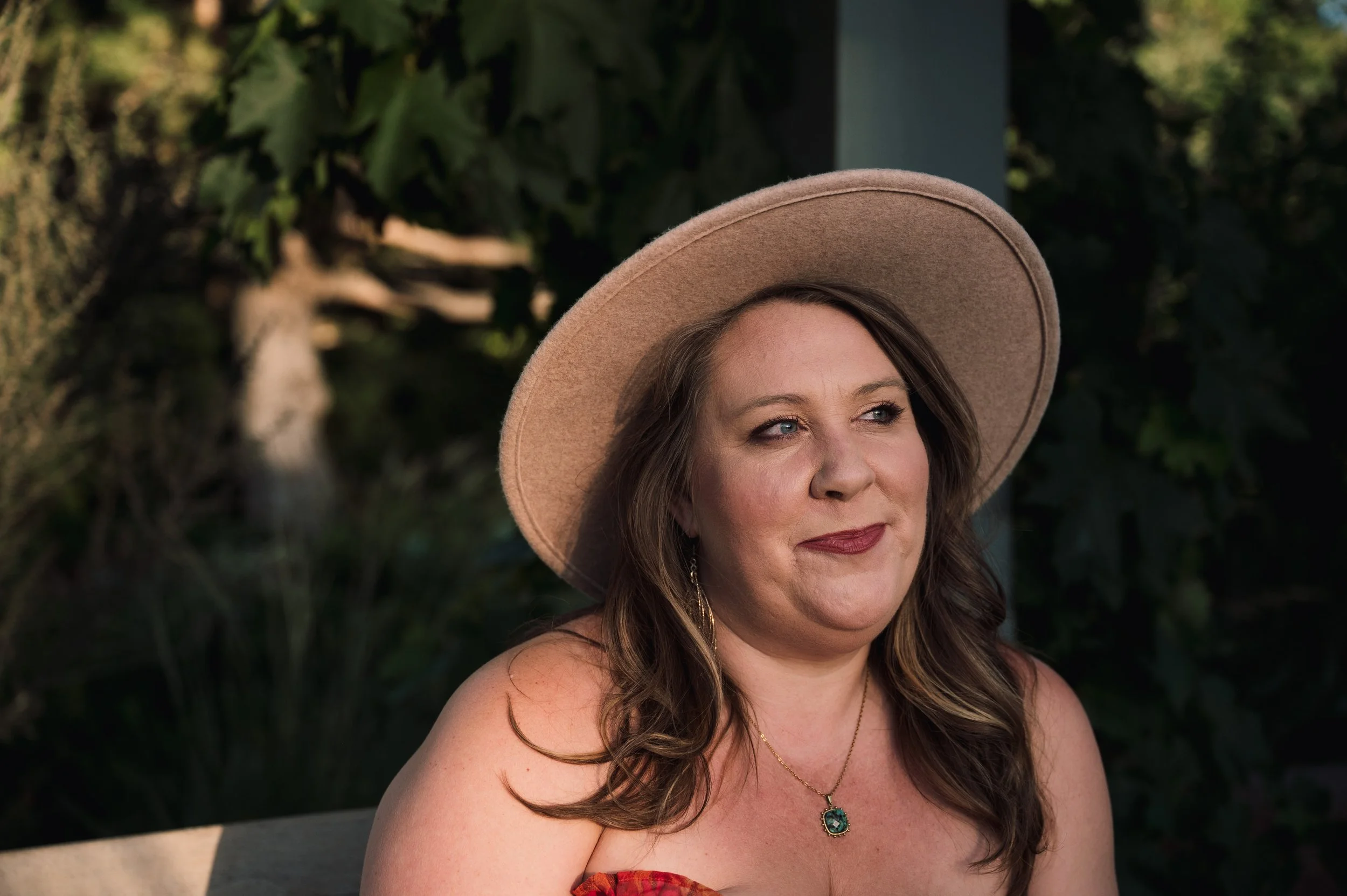
Jen Underwood
Co-Founder & Lead Educator
Jen Underwood is an ex-therapist, former high school teacher, and entrepreneur who has built multiple seven-figure businesses since 2013.
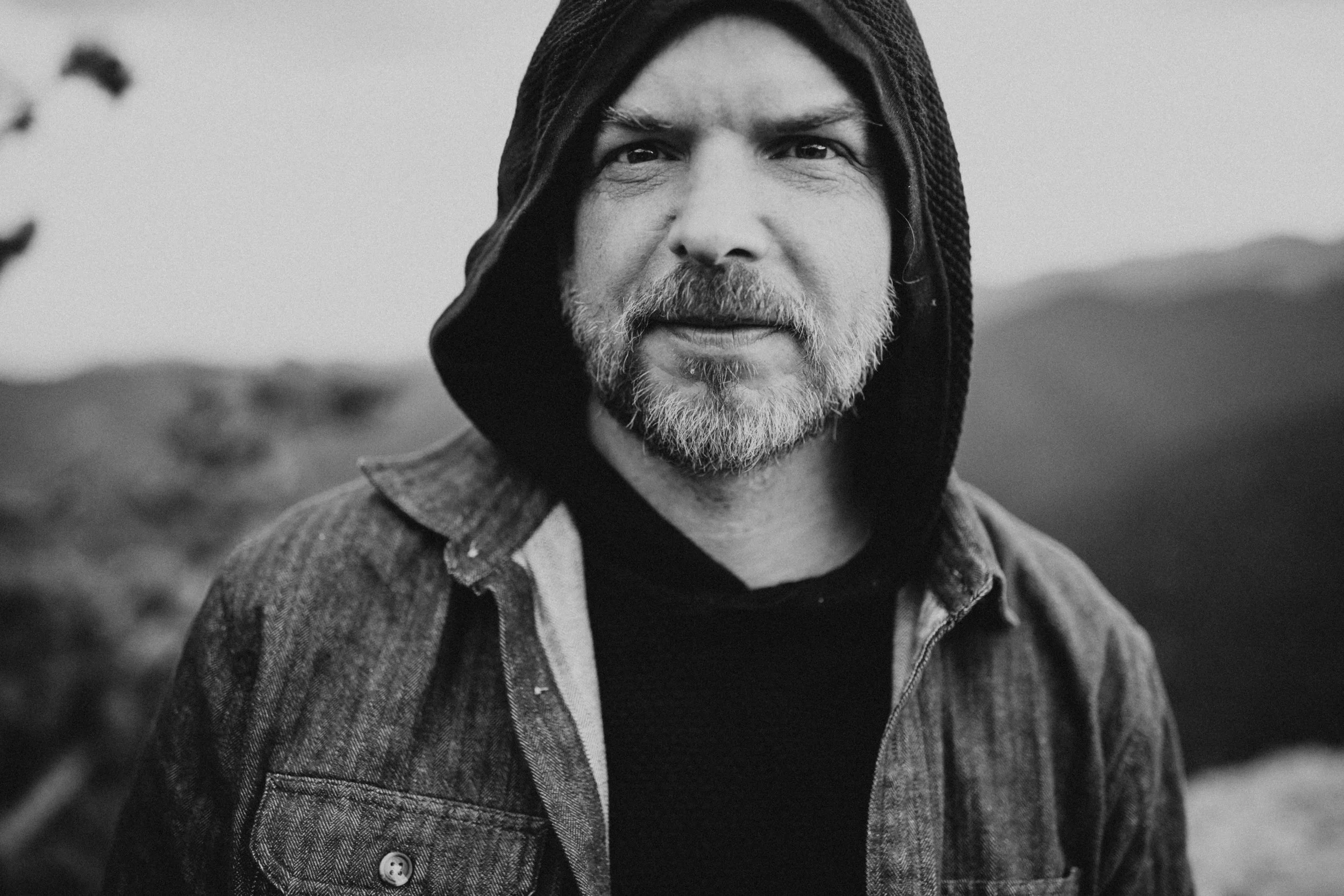
Tim DeSutter
Co-Founder & Lead Educator
A master-level coach, teacher, and facilitator, Tim has studied energetic medicine and the impact of trauma on vibrational wellness for more than twenty-five years.
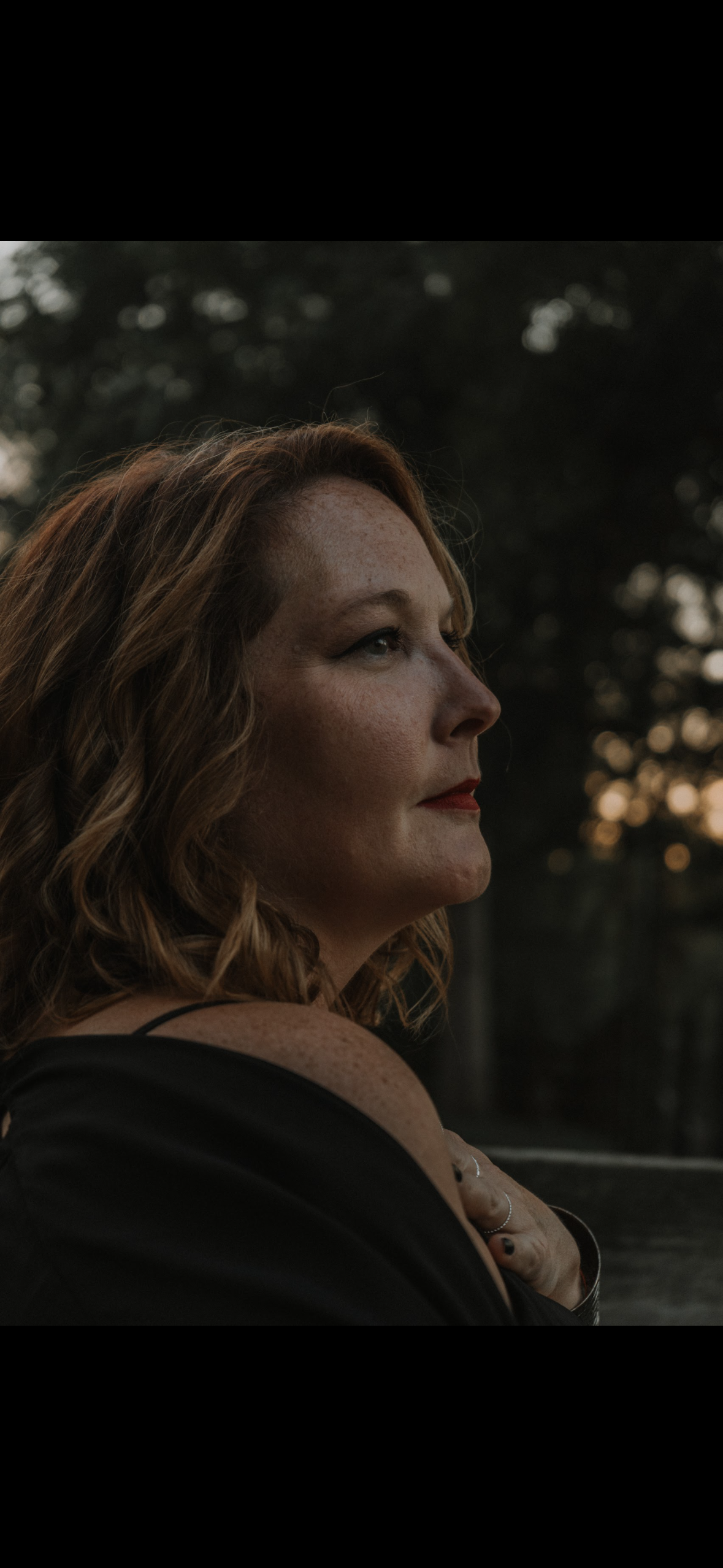
Laura Von Wahlde
Partner & Lead Educator
Laura Von Wahlde is an Identity Integration Coach with a background in psychology and several coaching certifications, and has created the Identity Framework.

Katie Kozel
Partner & Lead Educator
Katie is a certified coach who blends the VITA coaching method, Lean Six Sigma, and School of Humaning’s Emotional Leadership work.
What Students Say
“If you’re feeling called to join the Emotional Leadership program [now The Missing Curriculum] and you’re ready to do the work, DO IT. DON'T DELAY. It’s one of the single best decisions I’ve ever made for both my own healing and my leadership in all ways.”
— Julie Pulido, 2022/2023 participant
“If you are considering, I would highly encourage that you don't miss out! You will absolutely not be the same human at the end of the program, as you are in this moment, (in the very best way). It will help you become the version of yourself you didn't think you could be - your most capable self. I've invested in several programs/coaching certifications and this has most certainly surpassed all of them.”
— Habekkah, 2022 - 2024 participant
“If you feel the pull, trust it. [The Missing Curriculum] gave me language for patterns I had been living inside for years without fully seeing. It helped me become more self-responsible, more honest with myself, and more intentional in how I lead, work, and relate to others. The community alone is worth it, just being around people willing to look at themselves deeply is rare.”
— Caitlin, 2025/2026 participant

Are you ready to give this nine months?
THE MISSING CURRICULUM ASKS FOR MORE THAN INTEREST. IT ASKS YOU TO SHOW UP, PRACTICE, TELL THE TRUTH, LET PEOPLE KNOW YOU AND RETURN AFTER THE WEEKS THAT FEEL HARD.
You do not need to be good at any of this before you arrive.
You do need to be ready to make the work a real part of your life.
This is for the person who does not want another year of circling the same patterns, collecting more information, and hoping something changes.
You are ready to learn. You are ready to practice. You are ready to receive support and feedback. You are ready to give yourself nine months to live differently.
If that is you, we would love to welcome you into The Missing Curriculum.
IMPORTANT DETAILS:
PROGRAM STARTS: FEBRUARY 15, 2027
LIVE CALLS: TUESDAYS & THURSDAYS
TWO RETREATS: APRIL & OCTOBER
LAST DAY TO ENROLL: MARCH 2ND
PROGRAM ENDS: OCTOBER 2027
Investment & Payment Options
We offer company-backed financing and financial aid options on all our programs, as well as the option to finance out longer than the program length with Klarna or Afterpay (choose the PIF option to explore those financing programs).
Tuition payments cover all classes for the year.
There is an additional food and lodging fee to attend each retreat, which we attempt to keep as low as possible. It ranges between $600 and $1,300 per retreat, depending on location and retreat length. Payment plans are available for these fees as well.
15 MONTHLY PAYMENTS
$650/mo
FINANCIAL AID
We offer company-financed financial aid grants ranging from $1,000 to $4,000 to people who desire to enroll in The Missing Curriculum but who need a hand up to attend. If this is you, please feel free to fill out our financial aid application and we’ll reach out to you, soon.
PAY IN FULL
$8,750
Frequently Asked Questions
-
Live program calls happen every Tuesday and Thursday at 1pm PT / 4pm ET and last about 90 minutes. Calls happen the first three weeks of the month, with one to two weeks off each month for integration depending on the calendar and the length of the month.
Live participation is encouraged but not required. All calls are recorded and can be watched on replay.
-
The retreats are in April and October, a few months after program start and a few weeks before program end. For the 2027 cohort, our April retreat is located in Asheville, NC April 17-20. Details on the October retreat are coming soon.
Our in person retreats are a place where we can expand upon the information we learn all year, and embody that information. We create a mix of teachings, experiential exercises, and fun community events to help each person have additional insights, breakthroughs, and core memories that shift things back home and bring the zoom teachings deeper. It’s definitely not all work though! There’s space for relaxation, integration, and play, and space to socialize, leading to connections and friendships with other participants that people have said continue long after the program ends.
While not required, past participants have said the retreats were a key part of their experience.
-
The program contains about 3 hours of class work to do, for 3 weeks of the month. Outside of class, we encourage people to practice the skills we are learning in their real life, to engage in the chat, and to share what is happening for you as we go along.
There are opportunities to do additional practice sessions with other participants, which is encouraged but not required.
All in, you’re looking at about 10 hours a month to truly stay engaged and get everything possible out of the program.
-
There’s no 1:1 support included in the program, though we do offer group coaching calls where you can get individualized support on what is happening in your life. If you want to add 1:1 support, our certified coaches offer sessions to students at discounted fees, ranging from $100-$500 per session depending on who you choose.
-
There is an additional food and accommodation fee for each retreat, which ranges from $500 to $750 for the first retreat, and $800 to $1300 for the second retreat. Fees cover all food and lodging during the retreats. We work hard to find venues and locations that allow us to keep the retreat fees as low as possible for participants, and offer payment plans on all retreat fees to help increase affordability.
There are no other additional fees during the program.
There are times we offer additional complimentary classes and offers to students of our own individual work. These additional classes are never required, and always a gift which people can choose to engage in or pass on.
-
Absolutely. We are happy to get on a call and talk about the program in more depth, answer all your questions, and discuss if it’s a good fit for you. Our entire owner team is always available to take these calls, and will chat with you openly and honestly without pressure or gross sales techniques.
Please email schoolofhumaning@gmail.com to request a call with hours and days you’re available. If you have a preference of who you talk to, please note that in the email. We’ll reach out to schedule a call.